Carrito
0
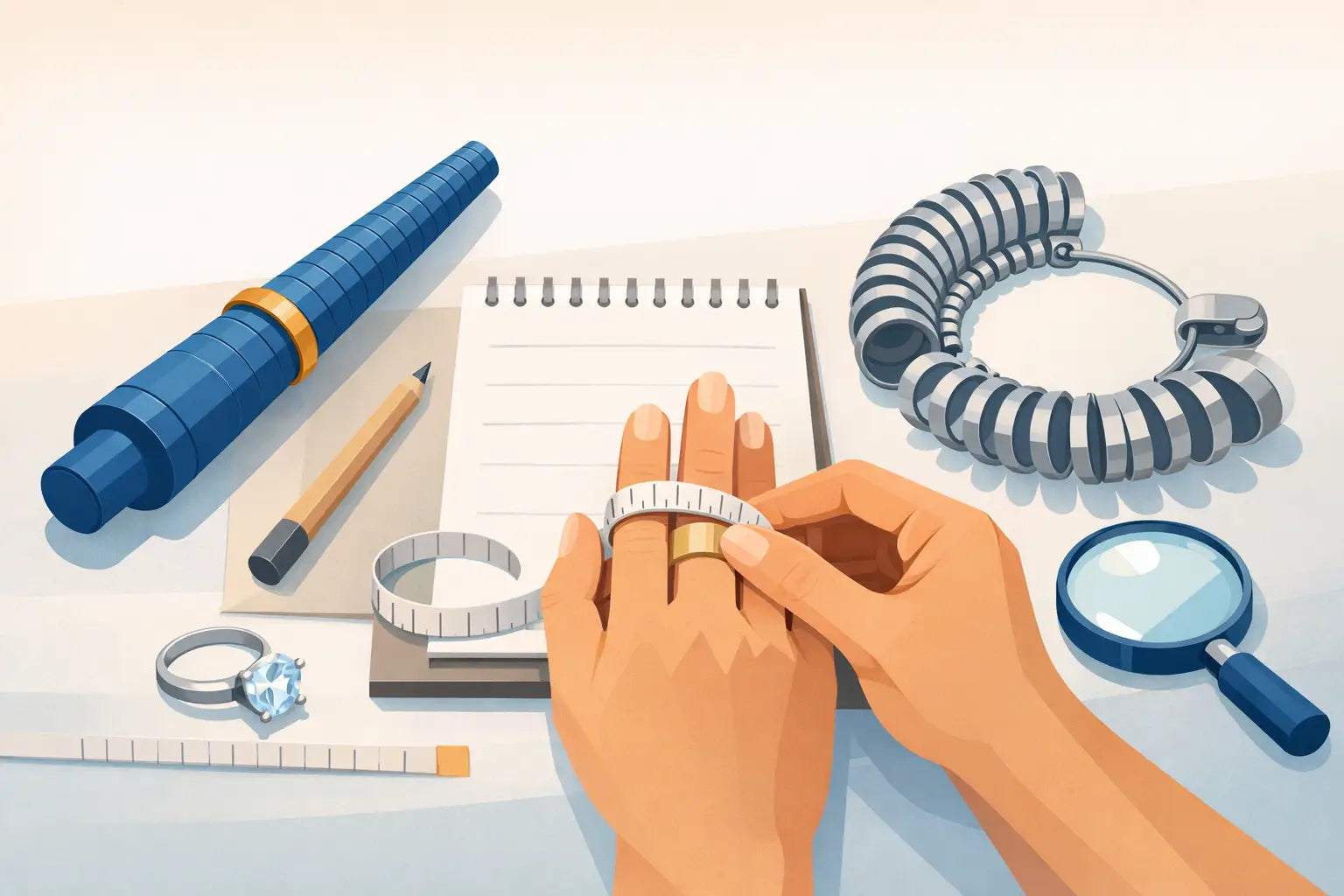
Buying a ring should feel exciting, not like a guessing game. If you are wondering how to size a ring before ordering for yourself, planning a proposal, or picking out a meaningful gift, a few simple checks can save you from a fit that is too tight, too loose, or uncomfortable by the end of the day.
How to size a ring without overthinking it
The easiest way to think about ring sizing is this: the right size should slide on with a little resistance and come off without a struggle. A ring that drops off your hand too easily can feel risky, while one that leaves deep marks or gets stuck quickly stops feeling special.
That balance matters because fingers do not stay the same size all day. Heat, cold, hydration, activity, and even the time of day can change your fit. That is why measuring once in a rush is not always enough, especially if you are shopping online and want the best chance of getting it right the first time.
If you are between sizes, the best choice often depends on the ring style. Wide bands usually feel tighter than slim bands, so they may require a slightly roomier fit. Delicate fashion rings often feel more forgiving. For statement pieces, bridal-inspired sets, and smart rings, comfort matters just as much as appearance because you may wear them for long stretches.
The most accurate way to measure ring size
If you already own a ring that fits the intended finger well, start there. This is usually the simplest at-home option and gives you a better reference point than wrapping string around your finger once and hoping for the best.
Place the ring on a ruler and measure the inside diameter straight across the center. Be careful to measure only the interior edge, not the outer metal. Once you have that diameter in millimeters, compare it to a standard US ring size chart. Because US shoppers commonly buy by standard numbered sizes, this method works well for most online jewelry purchases.
If you do not have a ring to copy, use a strip of paper or a soft measuring tape. Wrap it around the base of the finger where the ring will sit, mark the point where it overlaps, then measure that length in millimeters. This gives you the finger circumference, which you can match to a US sizing chart.
Paper and string methods are useful, but they are easier to misread. If the strip is pulled too tight, your result will be smaller than your true size. If it sits loosely, you may size up too much. Measure more than once and aim for consistency rather than trusting a single attempt.
Best time of day to measure
Try measuring your finger at the end of the day, when your hands are closer to their average larger size. Very early morning, after exercise, or right after coming in from cold weather can all skew the result.
Room temperature matters too. Cold fingers shrink. Warm fingers swell. If your hands feel unusually cold or puffy, wait and try again later. A better reading usually comes from a calm moment, not from measuring while rushing out the door.
Measure the correct finger
This sounds obvious, but it is a common mistake. Your ring finger on your left hand may not match your ring finger on your right hand. Dominant hands are often a little larger, and the difference can be enough to affect comfort.
Always measure the exact finger where the ring will be worn. This is especially important for engagement rings, wedding bands, stackable rings, and smart rings, since each style may be worn on a different finger for comfort or design.
How to size a ring for a surprise gift
A surprise ring can be memorable for all the right reasons, but sizing takes a little strategy. The most reliable option is to borrow a ring the person already wears on the same finger and measure that one. If it is worn on another finger, the fit may be close but not exact, so leave room for adjustment.
You can also ask someone close to them for help, especially a partner, sibling, or friend who may already know their size or shopping habits. If you are truly estimating, it is usually safer to go slightly larger rather than smaller. A ring that is a little roomy is often easier to manage than one that will not go on at all.
For gift shopping, style matters. A fashion ring worn occasionally may allow for a little flexibility. A bridal-inspired ring or a smart ring meant for regular wear should fit more precisely.
Fit changes by ring style
Not every ring wears the same way, even in the same numeric size. This is where many shoppers get tripped up.
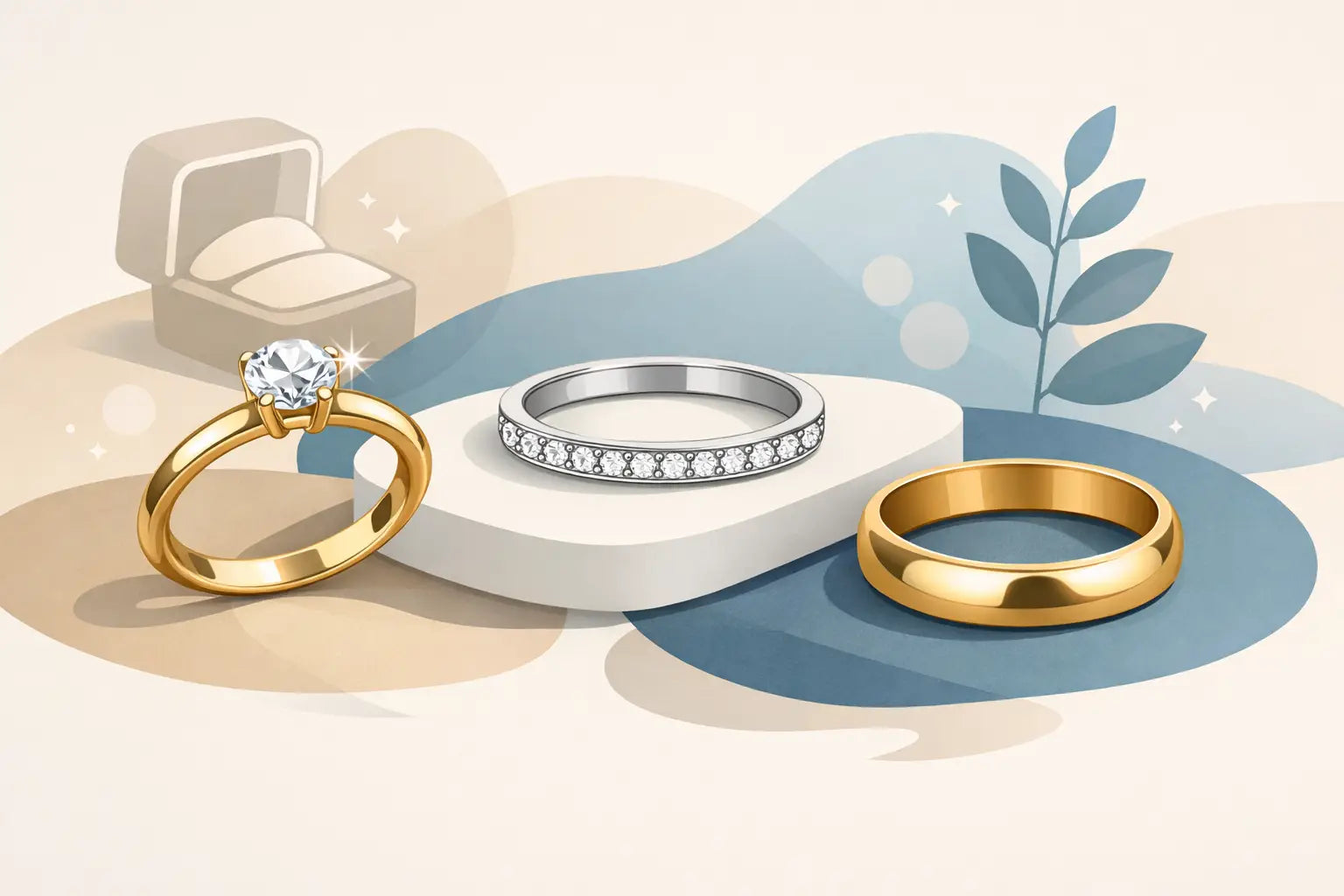
A thin band usually feels lighter and less restrictive, so your standard size often works well. A wide band covers more of the finger, which can make it feel tighter. If you are choosing a bold band or a ring with a substantial profile, you may prefer going up a half size.
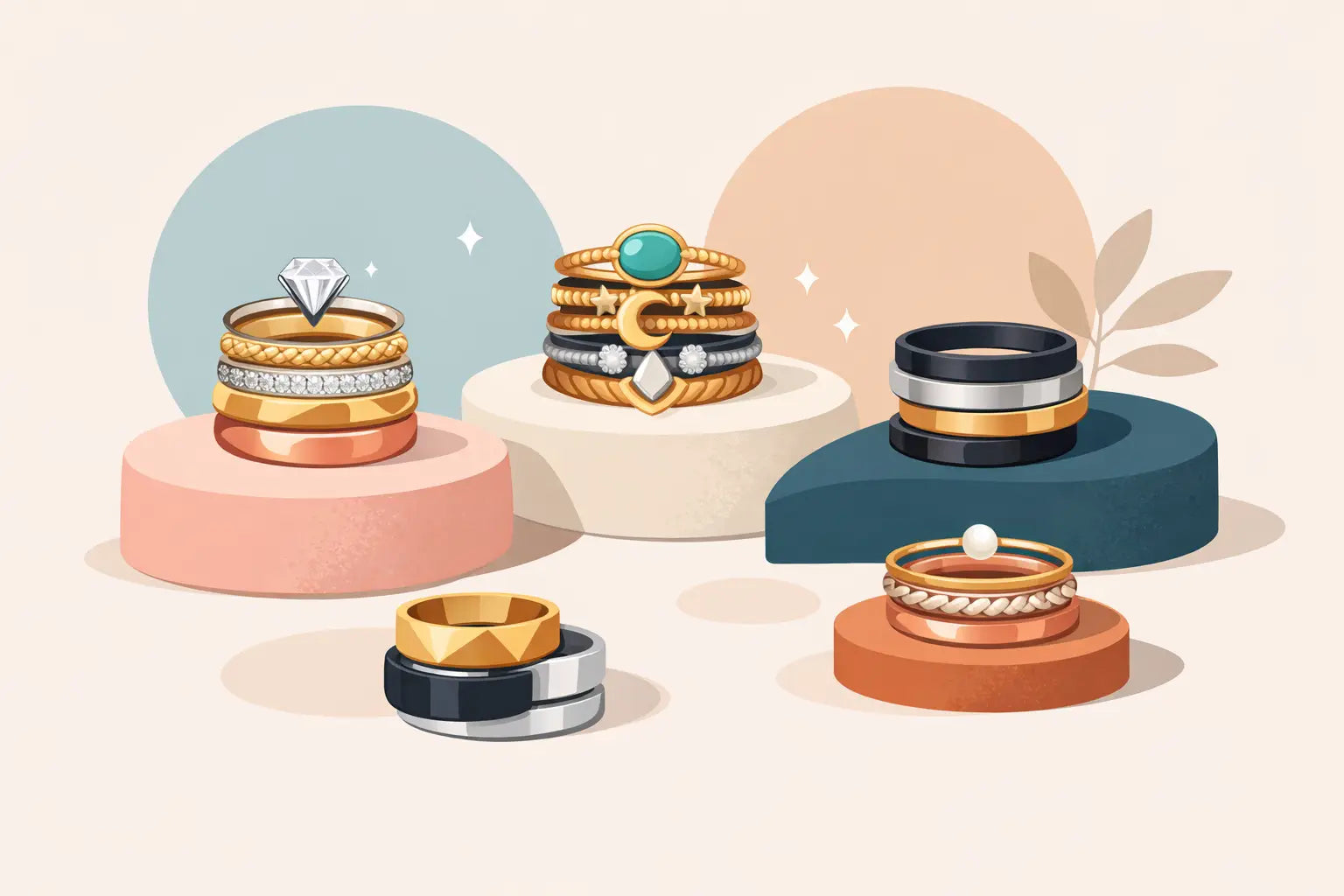
Stacking rings also change the feel. One slim ring might fit perfectly, while several worn together can create a tighter overall fit. If you plan to stack multiple rings on one finger, think about the combined feel rather than each ring on its own.
Smart rings bring another layer to sizing because they are usually designed for ongoing wear and function, not just appearance. If the fit is off, comfort and performance can both suffer. For that reason, it helps to size carefully and avoid guessing.
Signs your ring size is wrong
A ring that fits well should stay secure during normal wear but still come off with a bit of effort. You should not have to twist aggressively or worry that it will fall into the sink when washing your hands.
If a ring spins constantly, slides off when your hands are cool, or feels like it could slip over the knuckle without resistance, it is likely too large. If it pinches, leaves deep indentations, feels painful by evening, or gets stuck regularly, it is too small.
Some temporary finger marks are normal, especially after wearing a ring for hours, but discomfort is not. Jewelry should feel beautiful to wear, not distracting.
Common mistakes when sizing at home
The biggest mistake is measuring only once. A close second is measuring too tightly because you want the ring to feel secure. The ring still needs to pass over the knuckle, which is often wider than the base of the finger.
Another common issue is using a ring that does not actually fit well as your reference. If the ring you copied has always been a little loose, your new ring will likely be loose too. The same goes for measuring after exercise or in very hot weather, when swelling can change the result.
It is also easy to forget that comfort preference matters. Some people like a very close fit, while others prefer a little movement. If you already wear rings often, think about what has felt best on your hand in real life, not just what looks neat on paper.
When to choose a half size
Half sizes are helpful when your finger falls between two standard sizes or when the ring style changes the feel. If your measurement keeps landing between chart numbers, a half size can offer the most natural fit.
They are also worth considering if your knuckle is noticeably larger than the base of your finger. In that case, you need enough room to get the ring on and off, but not so much that it spins once it is in place. A half size often solves that tension better than rounding too far up or down.
A simple approach before you buy
If you want the easiest path, measure a ring you already love on the correct finger, then double-check by measuring your finger directly. When both methods point to the same size, you can shop with more confidence.
If the two methods differ slightly, consider the ring style, band width, and how you plan to wear it. Occasion pieces, giftable fashion rings, bridal sets, and everyday smart jewelry all deserve a fit that supports the way they will actually be worn.
At BJB Jewelry Shop, that kind of confidence matters because a ring is rarely just an accessory. It is often part of a gift, a promise, a celebration, or a look you want to wear beautifully from the moment it arrives.
A good fit lets the ring do what it is meant to do - feel special the second you slip it on.