Carrito
0
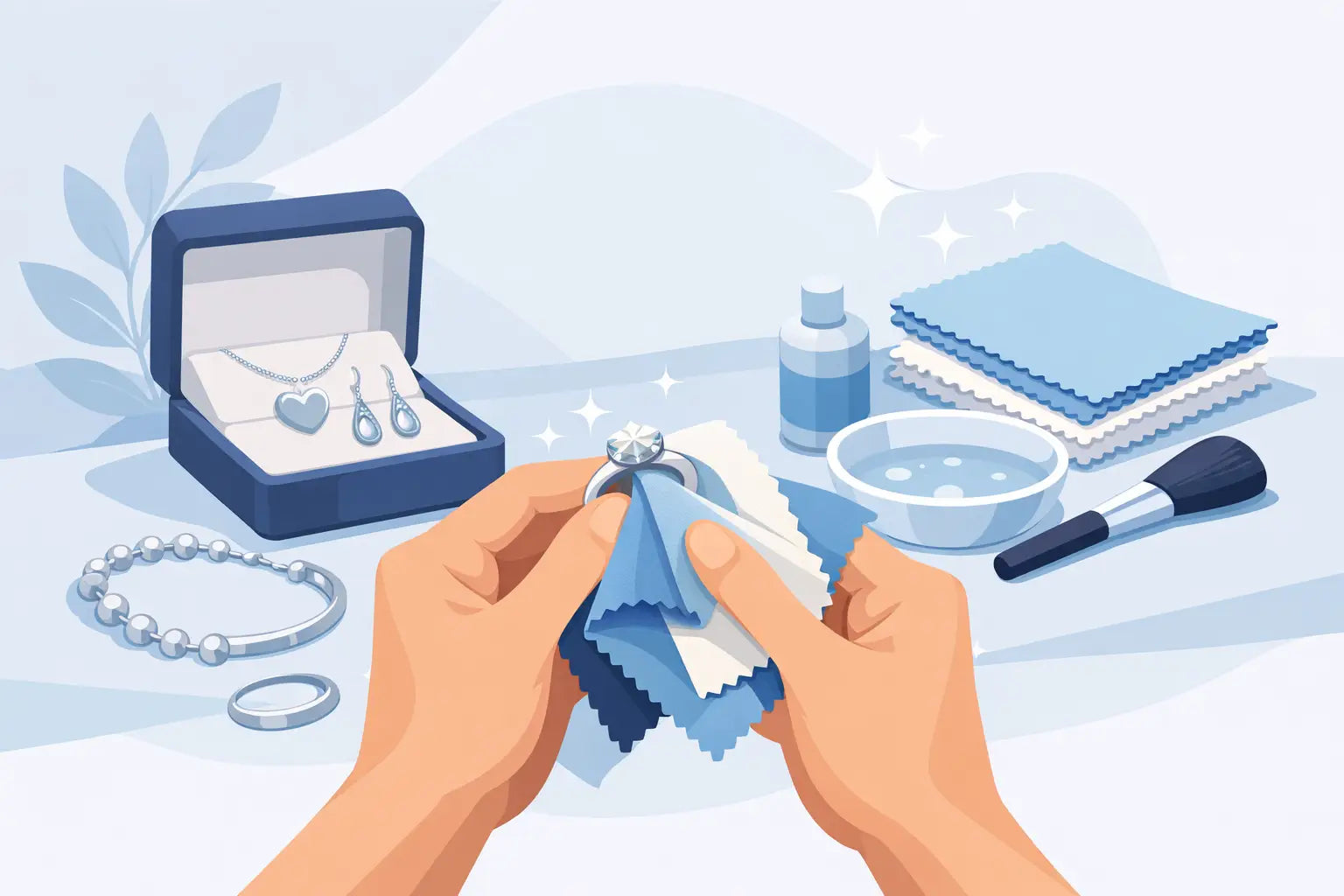
A silver polishing cloth works quietly in the background until the day it stops giving your jewelry that bright, clean finish you expect. If you have ever pulled out your favorite cloth and noticed black marks, dull spots, or less shine on your rings and necklaces, you have probably wondered how to clean silver jewelry cloth without ruining it.
The short answer is that most silver polishing cloths are not meant to be washed like regular fabric. In many cases, washing them removes the cleaning agents that make them effective in the first place. That means the best care routine is usually less about "cleaning" the cloth and more about using it correctly, storing it well, and knowing when it is time for a fresh one.
How to clean silver jewelry cloth without damaging it
If your cloth is a true silver polishing cloth, it is often treated with tarnish-removing or polishing compounds. Those ingredients are what help lift oxidation and restore shine. Once you wash the cloth with soap or run it under water, you may strip out those compounds and turn a useful jewelry-care tool into an ordinary piece of fabric.
That is why the safest answer to how to clean silver jewelry cloth is usually this: do not wash it unless the manufacturer specifically says you can. A darkened cloth is not necessarily dirty in a bad way. The black or gray marks you see are often tarnish being removed from your jewelry, which means the cloth is doing its job.
If the cloth has picked up loose dust, you can gently shake it out. If there is lint or surface debris, a very light brushing with clean, dry fingers can help. Beyond that, it is better to leave the cloth alone than to risk making it ineffective.
Why silver polishing cloths turn black
This is the part that surprises a lot of shoppers. A silver cloth that looks stained is not automatically worn out. Silver tarnish transfers onto the cloth during polishing, which is why it gradually darkens with use.
That discoloration is normal. In fact, many well-used polishing cloths look far less attractive than the jewelry they help restore. If your cloth still leaves silver brighter and smoother, it is still useful even if it no longer looks fresh.
What matters more than appearance is performance. If you polish a silver bracelet or pair of earrings and the cloth no longer improves the finish, then it may be near the end of its life.
Can you wash a silver jewelry cloth?
Usually, no. That is the simplest answer.
A standard silver polishing cloth is different from a plain microfiber cloth. Microfiber can often be washed and reused. A silver polishing cloth is typically chemically treated, often with two layers or two purposes: one side for cleaning tarnish and another for buffing. Washing it can remove the very treatment that makes it effective.
There are some exceptions, and this is where it depends on the type of cloth you own. If you have a plain jewelry buffing cloth with no polishing compound, the care instructions may be different. But for most silver care cloths sold for tarnish removal, water and detergent are not your friend.
If you still have the packaging, check it before doing anything. If not, the safest approach is to assume it should stay dry.
What happens if you already washed it?
Do not panic. The cloth is not dangerous to use, but it may not work as well as it did before. If it feels different, leaves less shine, or no longer removes tarnish, it has probably lost much of its polishing power.
In that case, keep it for light dusting or final buffing, and replace it with a new silver polishing cloth for actual tarnish removal.
The best way to care for a silver jewelry cloth
A little care helps your cloth last longer. That matters if you wear silver often, rotate accessories with your outfits, or like to keep giftable pieces looking polished for special moments.
Store the cloth in a sealed bag, pouch, or closed container when not in use. This helps reduce exposure to air, dust, and moisture, all of which can affect the polishing compound over time. Keep it in a cool, dry place rather than a humid bathroom or sunny windowsill.
Use the cloth only on the jewelry it is designed for. If it is meant for silver, do not use it on costume pieces with unknown plating, heavily oxidized finishes you want to preserve, or gemstones that need gentler care. Cross-using one cloth on many materials can make your care routine less predictable.
It also helps to fold and rotate sections of the cloth as you work. That way, you are not rubbing the same heavily darkened area over every piece.
How to use a silver cloth for the best results
Sometimes the issue is not the cloth. It is the technique.
Start with dry jewelry. If lotion, perfume, or skin oils are sitting on the surface, wipe those away first with a soft dry cloth. Then use your silver polishing cloth with gentle, even pressure. You do not need to scrub aggressively. Slow, repeated passes are usually better than force.
Pay extra attention to smooth silver surfaces where tarnish shows most clearly, such as ring bands, pendant fronts, and bracelet links. For chains or detailed areas, work in sections and use your fingers to guide the fabric into curves and crevices.
If the piece includes pearls, soft stones, enamel, or mixed materials, be more selective. Polish the silver portions carefully and avoid dragging treated cloth across delicate accents. Jewelry is often a combination of finishes, and the best-looking result usually comes from a little restraint.
When to replace your silver polishing cloth
A silver cloth does not last forever. Even if you store it well, the polishing agents wear down with repeated use.
You will usually notice the change in one of three ways. First, the cloth stops removing tarnish efficiently. Second, it no longer brings back a bright finish even after several passes. Third, it starts leaving residue or feels overly dry and flat compared with when it was new.
If any of that sounds familiar, replacement is the better move than trying to wash the cloth back to life. A fresh cloth makes jewelry care quicker and gentler, which is exactly what you want when you are maintaining pieces tied to daily style, anniversaries, celebrations, or meaningful gifts.
Common mistakes people make
One of the biggest mistakes is treating a silver polishing cloth like a household rag. Soap, hot water, and machine washing may sound like common-sense cleaning, but they can ruin the cloth's usefulness.
Another mistake is using the cloth on jewelry that needs a different type of care. Silver-plated pieces, antique finishes, and gemstone jewelry can all react differently. If a piece has sentimental or bridal value, it is worth being extra careful rather than polishing everything the same way.
Over-polishing is another issue. Silver does not need daily aggressive rubbing. A quick touch-up after wear and proper storage between uses often do more for appearance than constant polishing.
What to do if your jewelry is still dull
If your cloth is in decent condition but your silver still looks cloudy, the tarnish may be heavier than a cloth alone can handle. That does not automatically mean the piece is damaged. It may simply need a deeper cleaning method that matches the jewelry's material and finish.
Still, be careful. Liquid cleaners, dips, and paste polishes can work, but they are not ideal for every piece. Some are too harsh for delicate details, adhesives, or mixed-material jewelry. If you are working with everyday silver accessories, a polishing cloth is often the easiest and safest first step. If that no longer gets the result you want, replacing the cloth before moving to stronger methods is usually a smart call.
For shoppers who like keeping their collection ready to wear, having a dedicated silver polish cleaning cloth on hand is one of those small accessories that makes a real difference. BJB Jewelry Shop offers silver care essentials that fit neatly into an easy, elegant jewelry routine.
FAQs about how to clean silver jewelry cloth
Is a black silver cloth still good?
Yes, often it is. Black marks usually mean the cloth has removed tarnish. If it still polishes well, it is still doing its job.
Can I wash a silver polishing cloth with dish soap?
Usually no. Dish soap and water can strip away the polishing treatment.
How long does a silver jewelry cloth last?
It depends on how often you use it, how heavily tarnished your jewelry is, and how well you store the cloth. Some last quite a while with light home use, while others wear out faster with frequent polishing.
Can I use the same cloth on all jewelry?
Not always. Silver cloths are best reserved for silver or silver-compatible pieces. Jewelry with pearls, soft stones, plated finishes, or special surface treatments may need a different approach.
A jewelry care routine does not need to be complicated to feel effective. Sometimes the most elegant answer is also the simplest: use your silver cloth gently, keep it dry, replace it when it stops performing, and let your favorite pieces keep their shine for all the moments that matter.