Carrito
0
A favorite silver necklace can lose its glow quietly. One day it looks bright and elegant, and the next it has a dull cast that makes the whole piece feel less special. A silver polishing cloth for jewelry is one of the easiest ways to bring back that shine without turning routine care into a complicated project.
For most jewelry shoppers, the goal is simple. You want your pieces to look beautiful, feel gift-ready, and stay wearable for everyday moments as well as weddings, anniversaries, date nights, and celebrations. The good news is that silver care does not need to be technical. The right cloth, used the right way, can make a noticeable difference in just a few minutes.
What a silver polishing cloth for jewelry actually does
A silver polishing cloth is not just a soft fabric. It is usually treated with gentle polishing agents and anti-tarnish properties designed to lift discoloration from silver surfaces while restoring luster. That matters because tarnish is not the same as ordinary dust or fingerprints. It develops over time as silver reacts with sulfur and moisture in the air.
When you use a polishing cloth, you are lightly buffing away that surface tarnish. This makes it especially practical for jewelry because rings, earrings, bracelets, and pendants often have delicate shapes that are harder to clean with liquid products. A cloth gives you more control, which is helpful around stone settings, chain links, and detailed finishes.
This is also why many shoppers prefer a cloth for regular upkeep. It feels simple, clean, and convenient. You can keep one in a jewelry box, vanity drawer, or travel case and use it whenever your silver starts to look less radiant.
Why a cloth is often better than liquid cleaner
There is a time and place for stronger cleaning methods, but a polishing cloth is usually the easier first step. It is less messy than dips or creams, and it does not require rinsing or drying afterward. For shoppers who want low-maintenance jewelry care, that convenience matters.
A cloth is also gentler for frequent use. Liquid cleaners can be too harsh for certain finishes, adhesives, plated jewelry, or pieces that combine silver with other materials. If your jewelry includes crystals, pearls, enamel, or mixed-metal accents, a cloth often gives you a safer and more controlled approach.
That said, it depends on the condition of the piece. If silver jewelry has heavy, built-up tarnish from long storage, a cloth may take more time and effort. In those cases, you may need patient repeated polishing rather than expecting an instant transformation. For routine shine maintenance, though, a cloth is hard to beat.
How to use a silver polishing cloth for jewelry
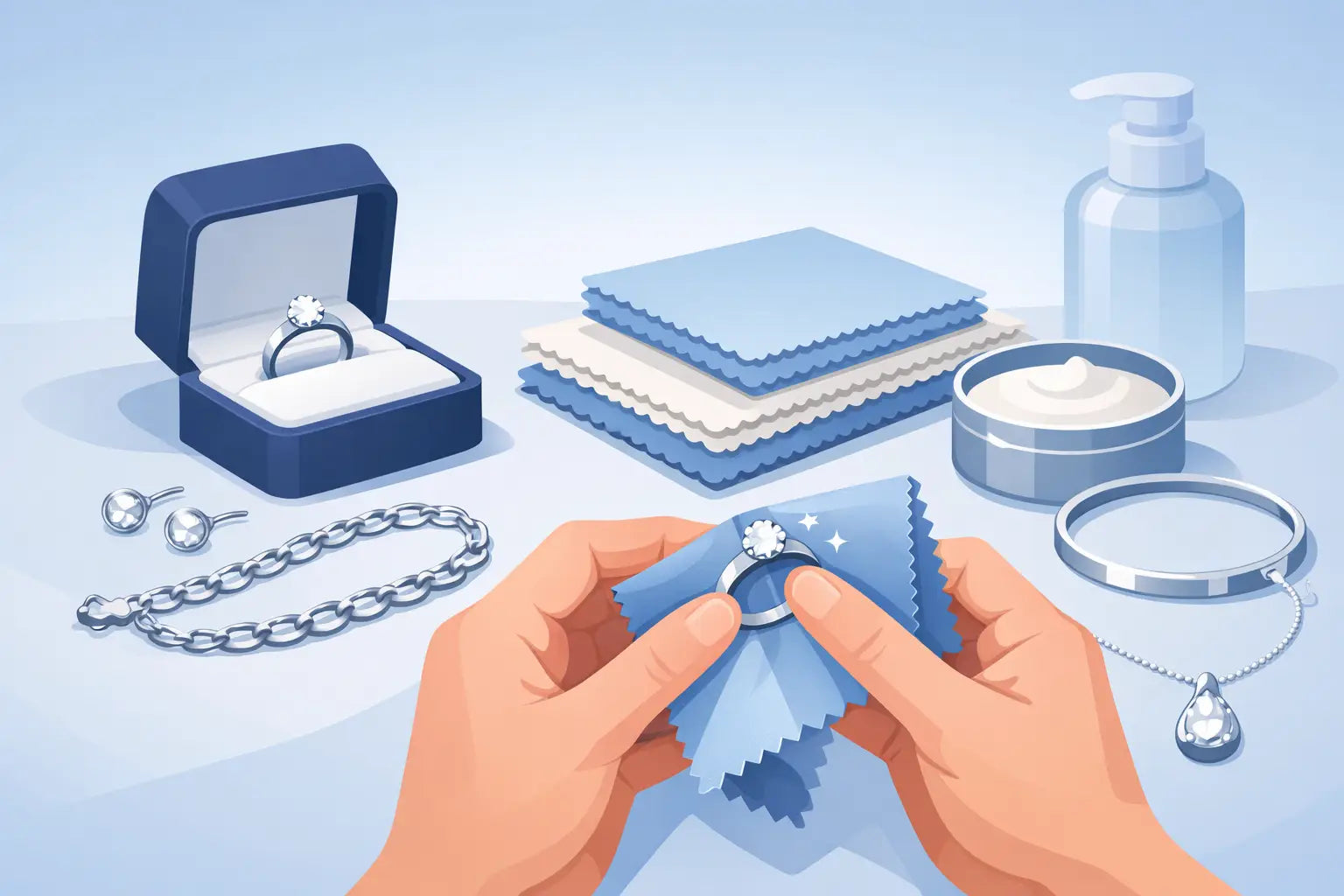
Using one is straightforward, but technique makes a difference. Start with clean, dry hands and a dry piece of jewelry. Gently rub the silver surface with the treated side of the cloth, following the shape of the piece rather than scrubbing aggressively. You should see dark marks appear on the cloth. That is normal - it means tarnish is being removed.
For necklaces and bracelets, work in sections so you do not miss chain links or small decorative details. For rings, focus on the top surface first, then the band, especially the inside where buildup from daily wear can collect. Earrings usually polish quickly, but be careful around posts, backs, and any stones.
After polishing, use the softer finishing side if your cloth has one. This helps buff the jewelry to a brighter shine. The main thing to avoid is overdoing it. Silver responds better to gentle, repeated motion than forceful rubbing.
Pieces that benefit most from polishing cloth care
Sterling silver jewelry is the obvious match, but not every silver-toned piece should be treated the same way. A true silver polishing cloth works best on genuine silver items, especially sterling silver rings, necklaces, bracelets, and earrings that develop mild to moderate tarnish over time.
It can also be useful for bridal-inspired jewelry with silver settings, as long as you polish carefully around stones. Everyday essentials like hoop earrings, chain necklaces, and simple bands are perfect candidates because they are worn often and need regular brightening.
Where shoppers need to slow down is with plated jewelry. Silver-plated pieces have a thin outer layer, and aggressive polishing can wear that finish down faster. If you are unsure whether a piece is sterling silver or plated, gentleness is the safest approach. A light touch is better than trying to force a high shine in one session.
What to avoid when polishing silver jewelry
The most common mistake is treating every jewelry item the same. Silver jewelry comes in many finishes, from mirror-bright to oxidized or antiqued styles. If a piece is intentionally darkened in certain areas for contrast, polishing too broadly can remove part of that design effect.
Another issue is using tissues, paper towels, or rough cloths instead of a proper polishing cloth. These materials may seem harmless, but they can leave tiny scratches, especially on smoother silver surfaces. Household cleaners are also a bad trade. What works on countertops or glass does not belong on jewelry you wear close to your skin.
Moisture is another factor people overlook. A polishing cloth is made for dry use. If jewelry is damp from washing, showering, or humidity, dry it fully before polishing. Rubbing tarnish on a wet surface can make the process less effective and may leave residue behind.
How often should you polish silver jewelry?
There is no perfect schedule because wear habits matter. Jewelry worn every day may need a light polish every few weeks, while occasion pieces stored carefully might only need attention every few months. The better rule is visual. If the silver starts to look shadowed, yellowed, or less reflective, it is time.
Frequent light polishing is usually better than waiting until tarnish becomes obvious. It keeps your jewelry looking fresh with less effort, and it helps pieces stay ready to wear for spontaneous plans, gifts, and special events. If you are building a jewelry wardrobe that includes both classics and statement pieces, regular care makes everything feel more polished when you reach for it.
Storage matters just as much as polishing
A silver polishing cloth helps correct tarnish, but smart storage helps slow it down. Silver jewelry lasts better when kept in a cool, dry place away from direct sunlight, humidity, and open air. Individual pouches, anti-tarnish bags, or lined jewelry boxes can help reduce exposure.
It is also worth separating pieces when possible. Chains can tangle, stones can scratch nearby metals, and mixed storage can make jewelry harder to maintain. If you store silver carefully after polishing, you will not need to refresh it as often.
This is especially helpful for giftable jewelry. If you are buying a silver piece for a birthday, bridal moment, anniversary, or holiday, pairing beauty with easy care makes the gift feel more thoughtful. A beautiful piece that stays bright longer simply feels better to give and better to receive.
Choosing the right cloth for your jewelry collection
Not all cloths are identical. A good silver polishing cloth should feel soft, be specifically made for silver, and be easy to handle around smaller jewelry details. Oversized cloths can be awkward for delicate pieces, while very thin or low-quality cloths may not perform consistently.
If your collection includes both classic silver jewelry and more fashion-forward pieces, look for a cloth that supports quick, everyday maintenance rather than heavy restoration. Most shoppers do not need an industrial-strength product. They need something practical that fits naturally into real life - a quick polish before dinner, a touch-up before a wedding, or an easy refresh before gifting.
For shoppers browsing jewelry and care accessories in one place, that convenience is part of the appeal. BJB Jewelry Shop reflects that idea well by offering stylish pieces alongside simple care essentials that help them stay beautiful.
A small habit that keeps jewelry looking special
Jewelry does not need to be reserved for major occasions to feel meaningful. A silver ring worn every day, a necklace received as a gift, or a pair of earrings chosen for a celebration all carry a little emotion with them. Keeping them bright is not just about maintenance. It is about preserving the feeling that made you choose them in the first place.
A silver polishing cloth for jewelry is a small, practical tool, but it earns its place quickly. It helps your favorite pieces stay luminous, wearable, and ready for the moments that matter - whether that is an ordinary morning or a memory in the making.